
Dental Services
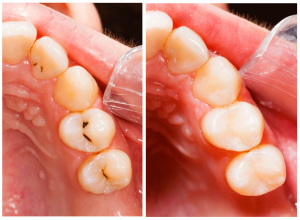
We utilize tooth colored and Amalgam (silver) fillings. Both are safe and effective. Often times you’ll hear dentists speak negatively about amalgam fillings, but the truth is that they can last longer and have been proven safe for over 150 years! We believe in doing what is right for you, and we’ll discuss the differences and let you decide which filling you would like.

Extractions
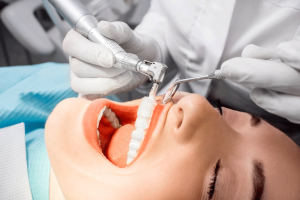
Anytime you are faced with an extraction it is a difficult time. We have lots of experience dealing with fractured, abscessed, and difficult teeth, and are look forward to giving you the best experience possible. We have lots of tools to reduce and eliminate pain, as well as to ease anxiety. We can discuss replacement options and guide you to the best possible outcome.
Cleanings & Exams
Our office is founded on relationships. We want you to feel good about coming in every six months, having your teeth cleaned, and not worrying about what we are going to say or what problems we might diagnose. We want you to establish a friendship with your hygienist and your doctor, based on trust and care. Come in and see what we mean. Cleanings are free with most dental insurances!

Kids
We love seeing children of all ages! Our goal is to give them a great experience so they are excited and not scared of going to the dentist. How many of us are frightened of the dentist because of what happened as a child? We are conscious of that, and know when to refer to specialists so that children approach their dental treatment with excitement and not anxiety.
Special Needs
We believe that it is our responsibility and are happy to serve the needs of all individuals regardless of mental or physical needs. The office is equipped with handicap access and our staff is trained to assist patients with special needs. Often patients are unable to complete dental work in the office due to a complex medical history or handicap. Our solution is full dental reconstruction in the operating room environment. Our office keeps regular hours at the Medical Center and Greenview Hospital and our doctors are able to perform all necessary procedures in a safe environment.

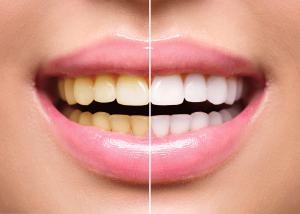
Whitening
Whitening your smile is exciting. It gives you confidence in the way that people perceive you. It’s fast, it’s safe, and its effective. We have different options, and our hygienists are happy to discuss each and choose the best one for you.
Emergency Care
We understand that sometimes dental emergencies can’t wait. We are open 5 days a week, and maintain a 24/7 emergency line for those unfortunate times. We are proud that we are the only general dentists taking Emergency Room call for both Greenview Hospital and the Medical Center, and are trained and experienced in handling both injuries and infections.